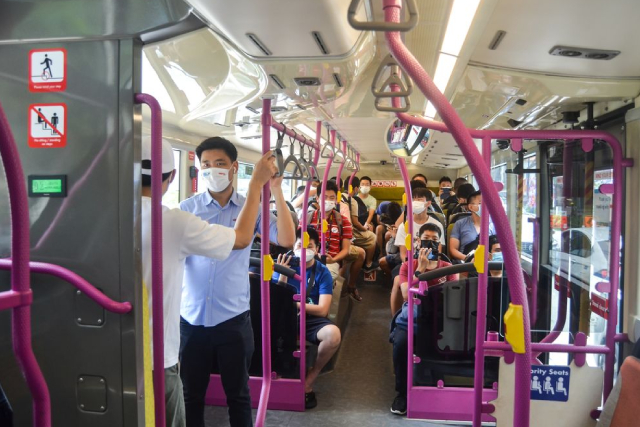
Charter bus trips promise comfort, convenience and reliability. Yet the difference between a smooth journey and one filled with misunderstandings often comes down to communication. Whether you are organising a corporate retreat, a wedding party, a school outing or a community event, clear communication from both the service provider and the client is essential.
This article explores why clear communication matters so much in bus charter services and provides practical tips to ensure everyone is aligned from start to finish.
Customer Expectations Begin At The First Touch
When prospective clients look for a bus charter service they often have specific questions. Commonly searched queries include how many seats are available, what the vehicle looks like inside, whether there are toilets or Wi Fi, and how flexible the schedule is. For many, a 40-seater bus in Singapore is the perfect option for keeping large groups together comfortably without the hassle of coordinating multiple smaller vehicles.
Clear communication at the enquiry stage about group size, luggage requirements, pick up points and drop off times is crucial. If a company assumes 40 seats will be enough without being informed that bulky equipment is being transported, problems arise later. For example, sports teams often need extra room for gear while schools may require child safety features.
Accurate information provided early allows the charter company to match the right vehicle to the client’s needs. This ensures that seating, onboard facilities such as air conditioning, audio systems and wheelchair access are in place. Clear discussions at the start also prevent hidden costs and avoid the disappointment of unmet expectations.
Preventing Delays And Confusion During The Journey
Roads are unpredictable, with traffic jams, accidents and weather disruptions being part of everyday travel. A clear chain of communication ensures that the driver, support staff and the customer know what to expect at all times. If there is an unexpected delay, the operator should immediately notify the client about revised arrival or pick up times. Transparent updates go a long way in maintaining trust even when circumstances are not ideal.
Miscommunication can also occur around meeting points or time windows. For instance, if the pick up location is described as “near the mall”, passengers may end up waiting at different entrances. By giving precise instructions such as “outside the main taxi stand at XYZ Mall, facing Road A”, confusion is avoided. Sharing driver contact details or having a group coordinator present adds another layer of assurance.
A lack of clarity here can quickly snowball into missed schedules, wasted time and frustrated passengers. Clear, proactive communication from both sides helps the trip remain smooth and efficient.
Ensuring Safety And Compliance
Safety is one of the most searched and discussed concerns when booking bus charter services. Parents, schools, companies and event organisers all want to know that drivers are licensed, vehicles are maintained properly and that safety measures are enforced. Communication is the bridge that ensures these concerns are addressed clearly.
From the client’s perspective, it is important to communicate whether there are passengers with special needs, children requiring booster seats, or elderly travellers who may need additional support. For the operator, it is vital to explain safety features such as seat belts, emergency exits and the importance of remaining seated while the vehicle is moving.
Internally, clear communication between drivers, dispatchers and maintenance staff ensures that the bus is in top condition. Drivers must report issues promptly so that the maintenance team can act before the vehicle is dispatched again. Customers who know their safety has been prioritised are more likely to trust and recommend the service.
Flexibility Depends On Communication
Even the best laid travel plans can change. More passengers may be added, itineraries might shift, or an event may end later than expected. Without robust communication channels, these changes can cause serious issues. The wrong bus size may turn up, or the driver may leave before passengers are ready.
If clients inform the charter company early about new requirements, the operator can adapt and provide solutions. Similarly, operators should be upfront about limitations such as driver working hours, traffic restrictions or additional costs for extended use. When both sides are transparent, flexibility becomes manageable rather than chaotic.
For example, if a corporate group informs the operator that the seminar may end an hour later than scheduled, the operator can arrange for the driver’s schedule to be adjusted or a backup vehicle to be prepared. Clear expectations written in agreements prevent misunderstandings and help both sides adjust smoothly.
Enhancing Customer Satisfaction And Reputation
Delivering what was promised is the key to customer satisfaction. Many people searching for bus services online want reassurance that the company is reliable, punctual and professional. A charter bus service that communicates clearly throughout the booking and travel process is far more likely to receive positive reviews and repeat bookings.
Customer satisfaction is not just about arriving on time but also about how concerns are addressed. If passengers feel their queries are ignored or brushed aside, the experience is likely to be rated poorly, even if the journey itself was fine. On the other hand, if issues are acknowledged and responded to quickly, clients often remain satisfied and willing to recommend the company.
Communication also means listening. Asking customers about preferred pick up times, comfort preferences and post trip feedback shows that the company values their input. This not only improves immediate satisfaction but also helps the business refine services for future clients.
How Technology Aids Communication
Technology has transformed the way charter services communicate with clients and staff. Today, passengers expect real time updates on bus locations, estimated arrival times and any route changes. Tracking apps, SMS or WhatsApp notifications and email reminders keep everyone informed.
For instance, if a bus is delayed due to heavy traffic, an automated message can be sent to all passengers, preventing frustration and uncertainty. Similarly, clients can receive confirmation emails with clear details of the booking, including vehicle type, driver contact number and itinerary.
Within the company, technology ensures drivers, maintenance teams and dispatchers have access to the same information. Digital checklists and instant reporting tools mean that problems can be flagged and resolved faster, reducing the chance of miscommunication.
Communication As A Partnership
Effective communication is not the sole responsibility of the operator. Clients also play a role by providing accurate information, responding to queries quickly and keeping the operator updated about changes. When both parties view communication as a partnership, the journey is far more likely to succeed.
For example, if a school group fails to mention that teachers want extra storage for supplies, the operator may not allocate a bus with sufficient space. Conversely, if the operator does not clarify whether the group prefers multiple pick up points or a single meeting place, confusion may occur. A collaborative approach ensures everyone is clear about what is required.
Conclusion
Clear communication in bus charter services is not an optional extra. It is the foundation upon which reliability, safety, flexibility and customer satisfaction are built. Clients who are upfront about their requirements will find that their journeys run far more smoothly.
At A&S Transit we believe that outstanding travel experiences begin with open, transparent and timely communication from the very first enquiry to the final drop off. When you choose us, you can expect guidance at every step, responsive updates and a dedicated team committed to keeping you informed.